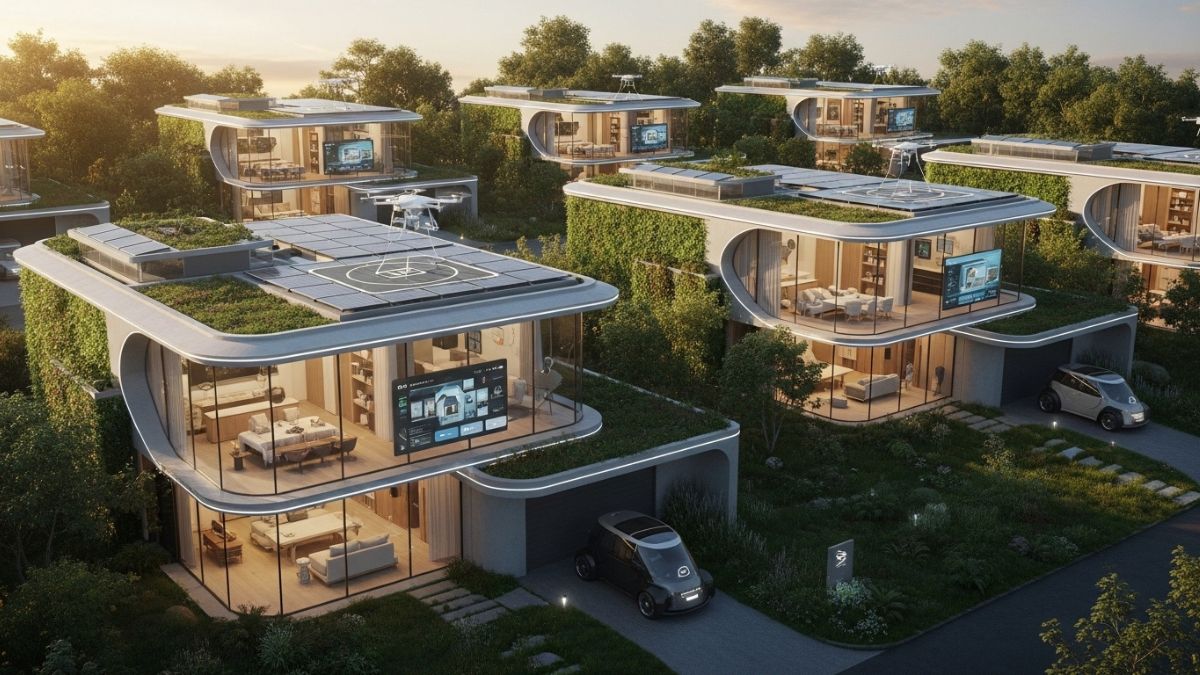
Futuristic homes are redefining how people experience comfort, technology, and sustainability in the modern world. These advanced living spaces integrate intelligent systems, eco-friendly materials, and innovative architecture to create environments that are efficient, stylish, and adaptable. Unlike traditional housing, futuristic homes focus on automation, energy independence, and personalized living experiences. As technology continues to evolve, homeowners are increasingly drawn to properties that combine convenience with sustainability.
From smart lighting that responds to voice commands to energy systems powered by renewable sources, the concept of futuristic homes is no longer science fiction. It is rapidly becoming a practical and desirable solution for modern living.
The Evolution of Futuristic Homes
The journey toward futuristic homes began with simple automation systems and has evolved into fully integrated smart ecosystems. Early innovations included programmable thermostats and security alarms. Today, entire homes can be controlled remotely through smartphones or AI assistants.
Architectural design has also transformed. Clean lines, open layouts, and multifunctional spaces dominate the aesthetic of futuristic homes. Builders now incorporate sustainable materials, energy-efficient windows, and advanced insulation to reduce environmental impact.
Modern construction techniques such as modular building and 3D printing further push the boundaries of innovation. These advancements reduce construction waste and accelerate project timelines while maintaining high-quality standards.
Smart Technology in Futuristic Homes
Smart technology is at the core of . Automation systems connect lighting, climate control, appliances, and security into a unified network. Homeowners can monitor and manage their properties from anywhere in the world.
Key Smart Features in Futuristic Homes
| Feature | Description | Benefit |
|---|---|---|
| Smart Lighting | Automated lighting controlled by apps or voice | Energy savings and convenience |
| Intelligent Climate Control | AI-based temperature regulation | Reduced energy consumption |
| Advanced Security Systems | Smart cameras and biometric access | Enhanced safety |
| Voice Assistants | Hands-free home management | Seamless interaction |
| Automated Appliances | Self-regulating kitchen and laundry devices | Time efficiency |
These features create a living experience that is both intuitive and efficient. The integration of artificial intelligence allows homes to learn user preferences, adjusting lighting or temperature automatically based on daily routines.
Sustainable Design in Futuristic Homes
Sustainability is a major driving force behind . Environmental concerns and rising energy costs have led architects and developers to prioritize green solutions.
Renewable Energy Integration in Futuristic Homes
Solar panels, wind turbines, and geothermal systems are common in modern designs. These renewable energy sources help homeowners achieve energy independence and reduce carbon footprints.
Eco-Friendly Materials in Futuristic Homes
Builders now use recycled steel, bamboo flooring, and low-impact concrete alternatives. Advanced insulation materials improve energy efficiency while maintaining indoor comfort.
Water Conservation Systems in Futuristic Homes
Rainwater harvesting systems and smart irrigation technologies significantly reduce water waste. Greywater recycling systems further enhance resource efficiency.
By combining these sustainable elements, contribute to a healthier planet while offering long-term cost savings.
Architectural Innovation in Futuristic Homes
Architectural creativity plays a vital role in . Designers embrace unconventional shapes, flexible layouts, and minimalistic aesthetics.
Modular Construction in Futuristic Homes
Modular construction involves building sections of a house in a controlled factory environment before assembling them on-site. This method improves quality control and reduces construction time.
Adaptive Spaces in Futuristic Homes
Rooms can transform to serve multiple purposes. For example, walls may retract to expand living areas, or furniture may fold into hidden compartments to maximize space.
3D Printing Technology in Futuristic Homes
3D printing allows for precise, cost-effective construction. Entire houses can be printed using specialized concrete mixtures, significantly reducing labor costs and material waste.
These innovations make not only visually striking but also highly functional.
Security and Privacy in Futuristic Homes
Security systems in go beyond traditional locks and alarms. Biometric authentication, facial recognition, and AI surveillance ensure comprehensive protection.
Encrypted communication networks protect data from cyber threats. As smart devices collect information, advanced cybersecurity protocols become essential to safeguard privacy.
Homeowners can receive real-time alerts and remotely monitor their properties through mobile applications, adding another layer of reassurance.
Cost Considerations of Futuristic Homes
The cost of varies depending on size, location, and technological integration. While initial construction expenses may be higher than conventional homes, long-term savings often offset the investment.
Cost Breakdown of Futuristic Homes
| Component | Estimated Cost Impact | Long-Term Benefit |
|---|---|---|
| Smart Systems Installation | Moderate to High | Energy savings |
| Renewable Energy Setup | High initial cost | Reduced utility bills |
| Sustainable Materials | Slightly higher | Lower maintenance |
| Advanced Security | Moderate | Increased property value |
Energy efficiency reduces monthly expenses, while smart systems enhance property value. Over time, can prove financially advantageous.
Health and Comfort in Futuristic Homes
Indoor air quality is significantly improved through advanced ventilation systems. Smart sensors monitor humidity levels and filter pollutants to create a healthier living environment.
Circadian lighting systems adjust brightness and color temperature throughout the day to support natural sleep cycles. Temperature control systems maintain optimal comfort year-round.
Noise-canceling insulation materials reduce external disturbances, ensuring peaceful living spaces.
The Role of Artificial Intelligence in Futuristic Homes
Artificial intelligence is transforming how residents interact with their living spaces. AI systems analyze behavior patterns to predict preferences and automate daily tasks.
For instance, refrigerators can track inventory and suggest grocery lists. Smart mirrors may provide weather updates and health tracking data. These intelligent systems simplify everyday routines.
As AI technology continues to advance, will become even more adaptive and personalized.
Challenges Facing Futuristic Homes
Despite numerous benefits, face certain challenges. High upfront costs can deter potential buyers. Rapid technological changes may also result in system upgrades becoming necessary sooner than expected.
Cybersecurity risks remain a concern as interconnected devices become more prevalent. Ensuring strong data protection measures is essential for maintaining trust and reliability.
Additionally, building codes and regulations must adapt to accommodate innovative construction methods.
The Future Outlook for Futuristic Homes
The demand for is expected to grow as urban populations expand and environmental awareness increases. Smart cities will likely integrate intelligent housing solutions into larger infrastructure networks.
Advancements in robotics, AI, and renewable energy will further enhance home automation and sustainability. As technology becomes more affordable, may become mainstream rather than luxury options.
Emerging trends such as self-healing materials and carbon-neutral construction are already being explored. These developments suggest a future where homes are not only intelligent but also environmentally restorative.
Conclusion
represent a bold step forward in residential design and technology. By combining smart automation, sustainable practices, and innovative architecture, these homes offer a glimpse into the future of comfortable and responsible living. Although challenges remain, the benefits of efficiency, convenience, and environmental impact make an appealing choice for modern homeowners.
As technological advancements continue to reshape everyday life, the concept of will evolve further. What once seemed like science fiction is quickly becoming reality, offering innovative solutions for a rapidly changing world.