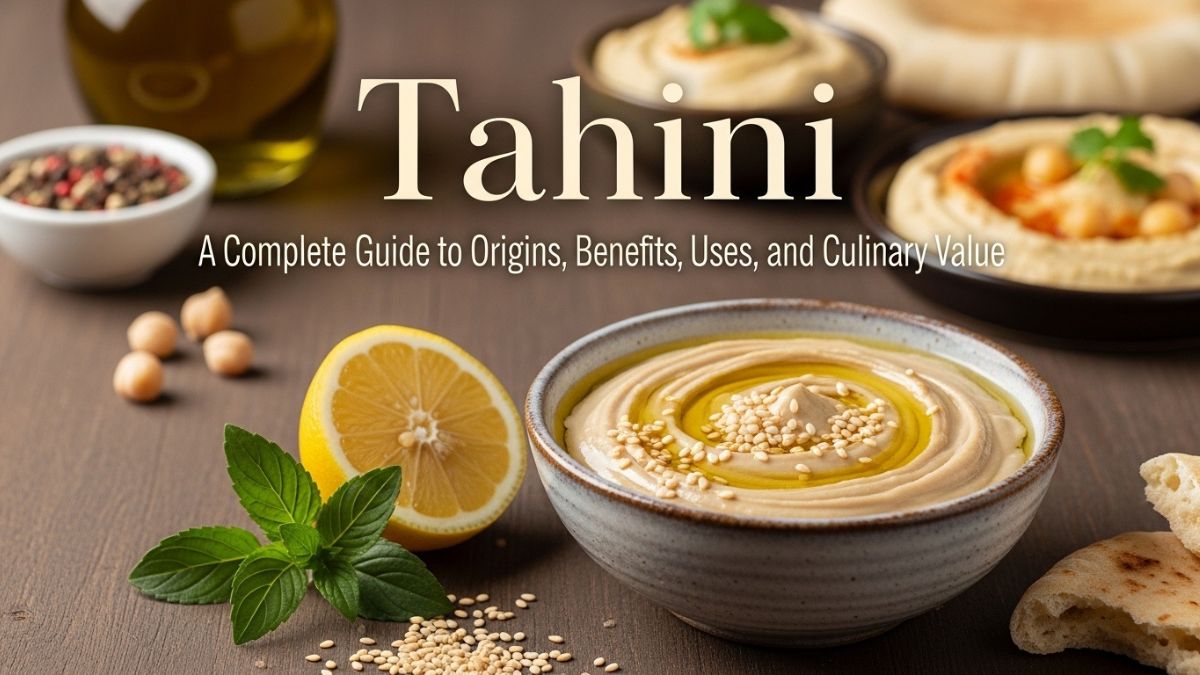
is a smooth, creamy paste made primarily from ground sesame seeds, and it has become an essential ingredient in kitchens around the world. From Middle Eastern cuisine to modern fusion recipes, plays a central role in both traditional and contemporary dishes. Its nutty flavor, silky texture, and impressive nutritional profile make it far more than just a condiment.
In recent years, has gained global recognition not only for its taste but also for its versatility. Whether used in savory spreads, sweet desserts, dressings, or dips, this ingredient continues to redefine plant-based cooking. Understanding means exploring its history, health benefits, preparation techniques, and cultural importance.
Tahhiini Origins and Historical Background
The story of dates back thousands of years. Sesame seeds themselves are among the oldest oilseed crops known to humanity. Historical records show that ancient civilizations in the Middle East and Mediterranean regions cultivated sesame for its oil and nutritional value.
Tahhiini evolved as a natural extension of sesame processing. By grinding toasted or raw sesame seeds into a paste, communities created a shelf-stable, nutrient-rich food source. Over time, became deeply embedded in Middle Eastern, North African, and Mediterranean cuisines.
Key Historical Milestones of Tahhiini
| Period | Region | Significance of Tahhiini |
|---|---|---|
| Ancient Era | Mesopotamia | Early sesame cultivation |
| Medieval Period | Middle East | Integration into sauces and dips |
| Ottoman Era | Turkey & Levant | Spread through trade routes |
| Modern Era | Global | Popular in vegan and health-focused diets |
The global expansion of reflects trade, migration, and cultural exchange. Today, it is found in supermarkets worldwide, proving its enduring culinary appeal.
Tahhiini Nutritional Value and Health Benefits
One of the main reasons Tahhiini remains popular is its outstanding nutritional profile. Because it is made from sesame seeds, it contains healthy fats, plant-based protein, and essential minerals.
Tahhiini Nutritional Composition
| Nutrient | Approximate Value (per 1 tbsp) | Health Contribution |
|---|---|---|
| Calories | 85–95 kcal | Energy source |
| Protein | 2.5–3 g | Muscle support |
| Healthy Fats | 8 g | Heart health |
| Calcium | 60–70 mg | Bone strength |
| Iron | 1 mg | Oxygen transport |
| Magnesium | 30 mg | Nerve function |
Tahhiini is particularly valued in vegetarian and vegan diets because it provides plant-based protein and calcium. The healthy fats found in are mostly unsaturated, which support cardiovascular health when consumed in moderation.
Additionally, contains antioxidants and anti-inflammatory compounds derived from sesame seeds. These compounds may contribute to overall wellness and immune support.
Tahhiini in Traditional Cuisine
has long been associated with iconic dishes that define Middle Eastern gastronomy. Its smooth texture blends seamlessly with spices, herbs, and citrus, creating balanced and flavorful combinations.
Tahhiini in Classic Dishes
Hummus is perhaps the most famous example of in action. Blended with chickpeas, garlic, lemon juice, and olive oil, gives hummus its creamy depth.
Another staple is baba ghanoush, where roasted eggplant combines with Tahhiini for a smoky, velvety dip. In addition, Tahhiini forms the base of traditional sauces served with falafel, shawarma, and grilled meats.
In many households, Tahhiini is also mixed simply with lemon juice, water, and salt to create a drizzle for vegetables and salads. Its adaptability makes it an indispensable ingredient.
Tahhiini in Modern and Fusion Cooking
As global culinary trends evolve, Tahhiini has found new roles beyond traditional dishes. Modern chefs and home cooks experiment with Tahhiini in innovative ways.
Creative Uses of Tahhiini
Tahhiini now appears in smoothies, salad dressings, baked goods, and even ice cream. Its nutty undertone complements chocolate, maple syrup, and cinnamon, making it suitable for desserts.
Some contemporary recipes include:
| Dish Type | Example | Role of Tahhiini |
|---|---|---|
| Dessert | Tahhiini brownies | Adds richness |
| Breakfast | Tahhiini oatmeal | Enhances texture |
| Salad | Lemon Tahhiini dressing | Creamy alternative to dairy |
| Snack | Energy balls | Binding ingredient |
The growing interest in plant-based cooking has further elevated Tahhiini’s status. It often replaces dairy-based sauces, offering a vegan-friendly solution without sacrificing flavor.
Tahhiini Preparation and Storage
Making at home is surprisingly simple. The basic process involves toasting sesame seeds lightly and blending them until smooth. Some variations use raw sesame seeds for a lighter flavor, while toasted seeds produce a deeper, nuttier taste.
Steps to Prepare Tahhiini at Home
-
Lightly toast sesame seeds until golden.
-
Allow them to cool.
-
Blend in a food processor until a paste forms.
-
Add a small amount of neutral oil if needed for smoothness.
-
Store in an airtight container.
Proper storage ensures that maintains freshness. It can be kept at room temperature for short periods, but refrigeration extends shelf life. Stirring before use is important because natural oil separation may occur.
Tahhiini Cultural and Culinary Significance
Tahhiini is more than a food product; it represents tradition, hospitality, and shared meals. In many Middle Eastern cultures, dishes containing are served during gatherings and celebrations.
Its presence at the table often symbolizes abundance and warmth. The simplicity of its ingredients contrasts with the depth of flavor it provides, reflecting the culinary philosophy of many traditional cuisines: minimal ingredients, maximum taste.
In recent decades, has also become a symbol of healthy, mindful eating. Nutrition-conscious consumers appreciate its clean ingredient profile and absence of artificial additives.
Tahhiini and Plant-Based Diet Trends
The global shift toward plant-based diets has significantly increased interest in . Because it is naturally vegan, gluten-free, and dairy-free, fits seamlessly into many dietary patterns.
Why Tahhiini Appeals to Modern Consumers
-
Provides plant-based protein
-
Contains heart-healthy fats
-
Free from cholesterol
-
Suitable for lactose intolerance
-
Versatile in savory and sweet dishes
Food bloggers and nutrition experts often recommend as a pantry staple. Its adaptability reduces reliance on processed sauces and spreads.
Tahhiini Buying Guide and Quality Factors
When purchasing , quality matters. The taste and texture can vary depending on seed origin, roasting method, and processing techniques.
Factors to Consider When Choosing Tahhiini
| Factor | What to Look For |
|---|---|
| Ingredient List | 100% sesame seeds |
| Texture | Smooth and pourable |
| Color | Light beige to creamy brown |
| Aroma | Fresh and nutty |
Avoid products with unnecessary additives or excessive oil separation. High-quality should have a balanced flavor without bitterness.
Tahhiini Sustainability and Agricultural Impact
Sesame cultivation generally requires less water compared to many other crops. This makes relatively sustainable when sourced responsibly. Supporting brands that practice ethical sourcing contributes to fair trade and environmentally conscious farming.
As demand increases, sustainable production becomes even more important. Conscious consumers often prefer organic or responsibly sourced to align with environmental values.
Tahhiini Recipes for Everyday Use
Incorporating into daily meals is simple. A basic sauce requires only a few ingredients:
-
Tahhiini
-
Fresh lemon juice
-
Minced garlic
-
Water
-
Salt
Mixing these components creates a versatile sauce suitable for vegetables, grains, or sandwiches.
For a sweet variation, combine with honey or maple syrup and drizzle over fruit or yogurt alternatives. The balance of sweet and nutty flavors adds depth to simple dishes.
Conclusion
stands as a timeless ingredient that bridges ancient tradition and modern culinary creativity. From its roots in early sesame cultivation to its widespread global popularity, continues to inspire chefs and home cooks alike.
Its nutritional richness, cultural heritage, and unmatched versatility make a valuable addition to any kitchen. Whether enjoyed in classic hummus, innovative desserts, or healthy dressings, proves that simple ingredients can create extraordinary results.
By understanding its origins, benefits, and uses, anyone can appreciate the true depth and flavor that brings to the table.